
Sustainable Agriculture, Sustainable Living
World Environment Day: Heal the Planet with Living Soil
Jun
Rebuilding living soil is the single most powerful action we can take this World Environment Day to heal our ecosystems. While everyday eco-habits like planting trees are vital, true environmental conservation actually begins right beneath our feet.
Therefore, maintaining healthy, biologically active ground is the most effective way for households to combat climate change. By shifting our daily focus toward soil vitality, we can easily grow nutrient-dense food and preserve water resources at home.
Why Rebuilding Living Soil is the Foundation of a Healthy Planet
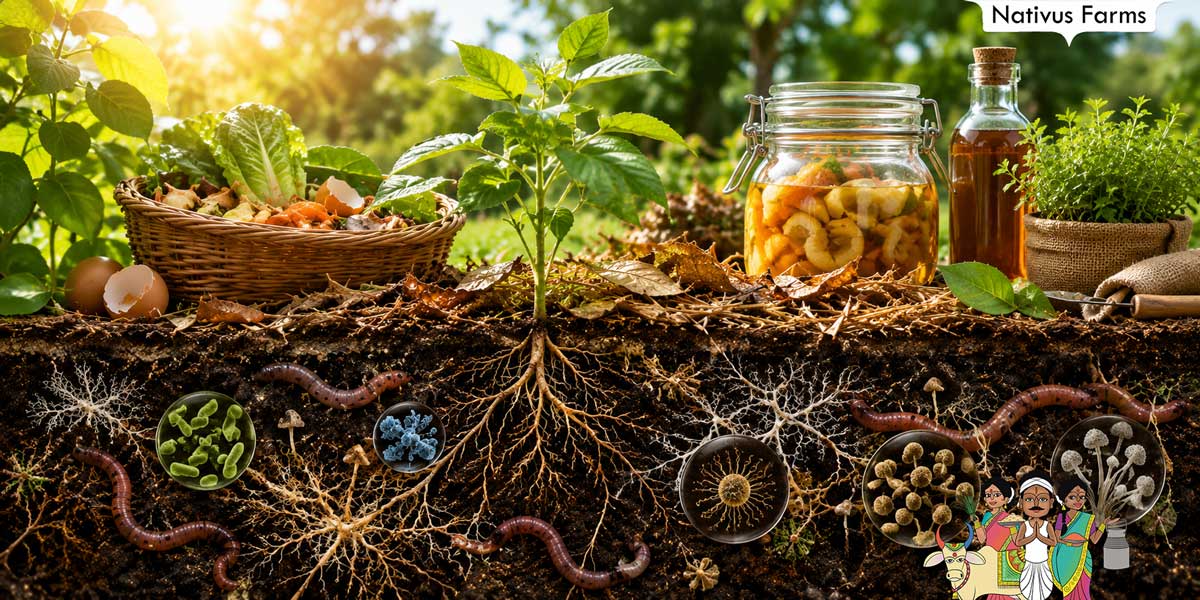
Most people view soil as dead dirt used to hold plants upright. In reality, healthy soil is a thriving, dynamic ecosystem. For instance, a single teaspoon of rich topsoil contains more living organisms than there are human beings on Earth. This unseen world drives global soil biodiversity and keeps our planet in balance.
The Vital Role of Soil Biodiversity
Beneath the surface, billions of bacteria, protozoa, and beneficial fungi form a complex web of life. These microorganisms break down organic materials, turning dead leaves and roots into readily available plant nutrients.
However, without this active biological network, plants cannot absorb minerals efficiently. This makes them weak and dependent on chemical fertilizers, which ultimately degrades the land. Therefore, rebuilding soil biodiversity ensures that the earth remains fertile naturally, creating a resilient foundation for local ecosystems to thrive.
Earthworms: The Natural Engineers of Agriculture
When it comes to visible soil life, earthworms in agriculture act as nature’s ultimate topsoil creators. They burrow deep into the ground, creating networks of tunnels that naturally aerate the soil and allow plant roots to breathe.
- Nutrient Boost: As earthworms consume organic matter, their digestive tracts create castings that are rich in nitrogen, phosphorus, and potassium.
- Water Management: In addition, earthworm tunnels function like tiny underground rainwater harvesting systems, allowing water to sink deep into the aquifer instead of washing away as surface runoff.
How Indigenous Livestock Rebuilds Soil
Similarly, in traditional Indian agriculture, a healthy farm ecosystem is incomplete without native livestock like indigenous cows, sheep, and backyard chickens.
For example, the dung of indigenous cows is packed with millions of beneficial, native microbes that ignite biological activity in dead soil. Likewise, sheep manure provides slow-release nitrogen, while scratching chickens naturally control topsoil pests, loosen the hard crust, and add phosphorus-rich droppings to the land.
Mulching and Composting: Simple Actions with Big Impact
You do not need an agricultural degree or acres of land to help heal the earth. Two simple backyard habits—mulching and home composting—can transform how your household interacts with local ecosystems.
The Ground Shield: Benefits of Mulching
In nature, soil is never left bare. It is always covered by fallen leaves, twigs, and wild grasses. Mulching mimics this natural protection by covering exposed soil with organic materials like dry leaves, straw, sugarcane bagasse, or coconut husks.
- Moisture Retention: Blocks direct sunlight, cutting evaporation by up to 60%, which saves massive amounts of water in hot climates.
- Temperature Control: Keeps soil cool during hot Indian summers, protecting delicate earthworms and microbes from extreme heat.
- Weed Suppression: Prevents wild weed seeds from getting direct sunlight, reducing the need for manual weeding or chemical weed killers.
- Organic Food Source: Slowly decomposes over time, turning into rich humus that feeds the underground ecosystem.
Home Composting: Turning Kitchen Waste into Black Gold
Food scraps do not belong in plastic trash bags or city landfills. When organic waste is buried in a landfill, it rots without oxygen and releases methane, a dangerous greenhouse gas. Home composting completely changes this cycle by turning your kitchen scraps into rich, sweet-smelling organic fertilizer.
How to Start Your Home Compost Bin
To start a basic home compost pile or bin, you can follow these simple steps. First, collect your greens like fruit peels, vegetable scraps, and coffee grounds for nitrogen. Next, gather your browns, including dry leaves, shredded newspapers, or coconut coir for carbon.
Furthermore, you must maintain a balance of two parts brown materials to one part green materials to prevent bad odors. Finally, turn the pile once a week with a small garden fork to introduce oxygen, which greatly speeds up decomposition.
From Waste to Resource
True waste management means viewing our household waste as a valuable raw resource rather than something to throw away. By closing the nutrient cycle at home, we reduce pressure on municipal dumping grounds and stop the harmful practice of burning organic yard waste.
Harnessing Bio Enzymes from Citrus Peels
If you want to take your household sustainability a step further, you can easily brew your own bio enzymes. These are fermented solutions made from water, jaggery, and raw citrus fruit peels.
Because they are rich in natural acids and enzymes, bio enzymes make excellent replacements for chemical floor cleaners and dishwashing liquids. In addition, when diluted in water, these enzymes act as excellent soil conditioners that actively stimulate microbial activity and keep harmful plant pathogens away from your garden.
Applying Circular Economy Principles Daily
Adopting a sustainable lifestyle relies heavily on practicing the core Reduce, Reuse, and Recycle principles in our daily routines. Buy only the fresh produce you need to minimize food spoilage at home. You can also easily revive tired soils by incorporating traditional, nutrient-rich liquid formulations like Panchagavya directly into your regular watering routine to supply a massive boost of beneficial microbes. Finally, ensure dry cardboard and paper packaging are kept clean so they can be recycled or safely added directly to your compost bin.
Natural Farming and Environmental Stewardship
At a larger scale, our daily food choices directly affect the health of the earth. Conventional farming relies heavily on synthetic fertilizers and toxic chemical pesticides. Unfortunately, these harsh inputs kill vital soil life, poison underground water tables, and deeply degrade long-term planetary health.
Rebuilding Topsoil for Climate Resilience
In contrast, natural farming offers a better way forward because it works alongside nature instead of fighting it. Farmers restore the earth’s fertility without synthetic interventions by using biological inputs made from cow dung, cow urine, and pulse flours.
Consequently, this traditional style of agriculture protects natural biodiversity by keeping chemical poisons out of our food and water. Over time, these regenerative practices rebuild topsoil, allow farmlands to trap atmospheric carbon, and create highly resilient ecosystems.
Conclusion: Environmental Change Starts at Home
Real environmental change does not wait for global treaties or massive corporate shifts. Instead, it begins directly in our kitchens, balconies, and backyards. Every time you lay down leaf mulch, choose to compost a leftover vegetable peel, or mix a batch of homemade bio enzymes, you actively practice real environmental stewardship.
Ultimately, by focusing on living soil this World Environment Day, we choose to look down and fix the broken foundation of our global ecosystem. These small, everyday choices create healthy, living soil today, ensuring resilient, thriving ecosystems for generations to come.
Frequently Asked Questions
Q1: What is the difference between dirt and living soil? Dirt is simply dead mineral matter devoid of biology, requiring chemical additives to grow crops. Living soil is a thriving ecosystem filled with active bacteria, fungi, and earthworms that naturally cycles nutrients to plants.
Q2: Will my home compost bin smell bad or attract pests? A healthy compost bin should smell like fresh, damp rainwater on earth. Bad odors only happen if the pile is too wet or lacks air. Adding more dry “brown” materials like dry leaves or cardboard and turning it regularly fixes the issue completely.
Q3: Can I use any type of wood or leaves for mulching? Most dry leaves, straw, wood chips, and coconut husks make excellent mulch. Avoid using weeds that have already gone to seed, or leaves from plants showing active signs of fungal disease.
Q4: How long does it take to make a batch of bio enzymes? A standard batch of home-brewed bio enzyme takes exactly 90 days to ferment completely. The container needs to be opened daily for the first month to release built-up fermentation gases safely.
Q5: Why are earthworms so important for clay-heavy soils? Clay soils pack tightly together, making it difficult for water to drain and roots to grow. Earthworms punch through this heavy clay, loosening the structure and mixing organic nutrients deep into the ground.