
Healthy Living, Sustainable Agriculture
Biological Biodiversity: Why Saving It is Our Last Chance for Healthy Living
May
Step outside in any major Indian metro today, and what do you hear? The relentless roar of traffic, the hum of air conditioners, and the distant drone of construction.
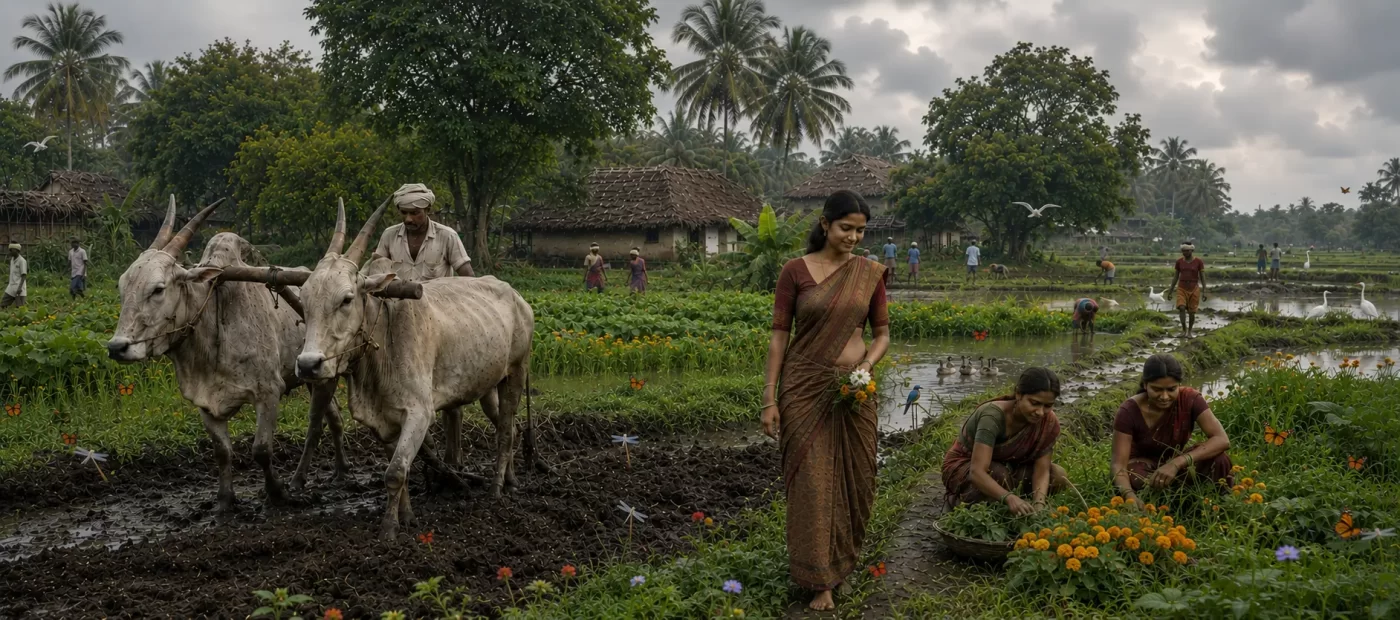
Now, close your eyes and remember the summers spent in your ancestral village. You woke up to a symphony of chirping sparrows, the rustle of native neem trees, and the sight of honeybees dancing over local crops.
That vibrant, buzzing village life wasn’t just a nostalgic memory. It was a thriving ecosystem powered by biological biodiversity.
Today, that delicate balance is under severe threat. As our cities turn into concrete deserts and our villages chase short-term chemical yields, we are losing the very web of life that sustains us.
Understanding biological biodiversity is no longer just a topic for school textbooks. It is the ultimate blueprint for our survival, health, and future well-being.
The Silent Erosion of Our Natural Ecosystems
The modern rush toward urbanization has severed our connection with Mother Nature. In our quest for smart cities and high-rise apartments, we have paved over wetlands, chopped down ancient groves, and choked our air with toxic pollutants.
This rapid shift has triggered a catastrophic collapse in urban biological biodiversity. The friendly house sparrows have vanished, replaced by pigeons. Crucial pollinators like butterflies and wild bees are disappearing due to mobile tower radiation and pesticide-laden city gardens.
The Heavy Toll on Human Mind and Body
This ecological disconnect is making us sick. Living in concrete jungles lacking biological biodiversity directly contributes to rising chronic illnesses, respiratory disorders, and severe mental fatigue.
Urban Pollution ➔ Loss of Green Spaces ➔ Chronic Stress & Respiratory Illnesses
Without trees to filter the air and diverse microbes to strengthen our immunity, our bodies remain in a constant state of inflammation. The lack of natural spaces has also triggered an epidemic of anxiety and depression in urban India.
The Destruction of Village Life and Farming
The crisis is not limited to metros. The modern chemical-heavy lifestyle has invaded our rural landscapes, altering the traditional Indian village.
For decades, aggressive monoculture—growing only one crop over vast areas—and excessive chemical fertilizers have stripped the soil of life. Beneficial earthworms, frogs, and predatory insects that once kept pests in check naturally are gone.
The result? Farmers face skyrocketing production costs, failing crops, and debt. The collapse of rural biological biodiversity has disrupted the peaceful, self-sustaining village lifestyle, forcing mass migrations to already overcrowded cities.
The Ancient Indian Wisdom of Coexistence
Long before modern science coined the term “ecology,” traditional Indian culture practiced it daily. Our ancestors understood that human survival depends entirely on maintaining rich biological biodiversity.
Ancient Indian farming was never about dominating nature. It was an intricate dance of coexistence, beautifully aligned with the core philosophy of Vasudhaiva Kutumbakam (the world is one family).
Traditional Indian Agriculture = Indigenous Seeds + Native Livestock + Natural Pest Control
The Power of Sacred Groves and Local Seeds
Villages traditionally maintained Sacred Groves (Devrais)—untouched patches of forest dedicated to local deities. These acted as natural gene banks, preserving rare medicinal plants, wild fruits, and indigenous wildlife.
Similarly, Indian farmers saved and swapped hundreds of varieties of indigenous seeds. These native seeds were naturally resistant to local droughts and pests, requiring zero chemical interventions.
By reviving this ancient wisdom, we can easily find natural alternatives to today’s toxic, chemical-heavy agricultural and lifestyle practices.
How Biological Biodiversity Fixes Ecological Imbalances
True biological biodiversity acts as nature’s ultimate self-cleaning and self-healing mechanism. When an ecosystem is diverse, it naturally buffers against pollution and climate extremes.
- Natural Pest Control: A biodiverse farm hosts birds, frogs, spiders, and ladybugs. These creatures act as natural predators, keeping harmful crop pests in check without a single drop of chemical pesticide.
- Air and Water Purification: A rich variety of native trees and deep-rooted grasses filter toxic particulate matter from the air and absorb heavy metals from contaminated groundwater.
- Climate Resilience: Ecosystems rich in biological biodiversity absorb carbon emissions far more effectively than monoculture plantations, stabilizing local temperatures and rainfall patterns.
- Soil Fertility Regeneration: Diverse plant roots host millions of unique soil microbes. These microbes fix atmospheric nitrogen and break down minerals, keeping the soil naturally fertile for generations.
Embracing a Chemical-Free, Conscious Way of Living
To restore biological biodiversity, we must consciously change how we eat, live, and consume. Every commercial chemical we use at home—from synthetic floor cleaners to toxic chemical pesticides in our home gardens—eventually washes into our water bodies, killing aquatic life and soil microbes.
Toxic Home Chemicals ➔ Water Pollution ➔ Destruction of Aquatic & Soil Microbes
At Nativus Farms, we firmly believe that human health cannot be isolated from planetary health. Shifting to a chemical-free lifestyle is the first step toward healing both.
- Choose Chemical-Free Whole Foods: Support farmers who practice polyculture and organic farming. Eating diverse, heirloom grains directly boosts the demand for agricultural biodiversity.
- Conserve Indigenous Livestock: Native Indian cattle breeds (like Gir, Kankrej, or Ongole) play a vital role in natural farming. Their dung and urine are packed with beneficial microbes that revive dead soil.
- Protect Native Birds and Small Animals: Set up simple water bowls and bird feeders on balconies or backyards to give local avian species a fighting chance in urban landscapes.
Actionable Steps to Restore Biological Biodiversity Across India
Rebuilding our broken ecosystems requires specific, targeted actions at every geographical level. Here is how we can bring back balance to our metros, towns, and villages.
1. In Metro Cities and Urban Areas
- Miyawaki Method to grow dense, native mini-forests in empty urban pockets, creating instant havens for birds and insects.
- Create Pollinator Balconies: Transform your apartment balcony into a biodiversity hotspot by planting native flowering plants like marigold, hibiscus, and tulsi to attract bees and butterflies.
- Stop Cosmetic Landscaping: Replace non-native, water-guzzling green lawns in housing societies with diverse local shrubs and medicinal plants.
2. In Semi-Urban and Transition Zones
- Develop Community Seed Banks: Establish local hubs to preserve, share, and cultivate indigenous heirloom vegetable and fruit seeds
- Implement Smart Waste Management: Set up community composting units to divert organic waste away from landfills and convert it into rich organic manure for local greenery.
3. In Rural Villages and Agricultural Lands
- Shift to Multi-Cropping: Break the cycle of monoculture. Farmers should grow a diverse mix of grains, pulses, oilseeds, and vegetables simultaneously.
- Integrate Agroforestry: Plant fruit-bearing and timber-giving native trees along farm boundaries to prevent soil erosion and provide habitats for insect-eating birds.
- Ditch Synthetic inputs: Replace toxic chemical sprays with traditional fermentations like Panchagavya, Jeevamrutha and Beejamrutha to restore millions of beneficial microbes to the agricultural soil.
FAQs
Q1: What is biological biodiversity and why does it matter?
Biological biodiversity refers to the variety of all living organisms on Earth, including plants, animals, insects, and microorganisms, interacting within their ecosystems. It matters because it provides essential life-support services like clean air, pure water, natural pest control, and fertile soil, which are critical for human survival.
Q2: How does a loss of biodiversity affect human health?
When biological biodiversity declines, ecosystems weaken. This leads to increased air and water pollution, extreme weather events, and the loss of natural immune-boosting soil microbes. The lack of green, biodiverse spaces is also scientifically linked to higher stress, anxiety, and lifestyle diseases in humans.
Q3: Why are indigenous seeds important for agricultural biodiversity?
Indigenous seeds are naturally adapted to local climate conditions, soils, and pests over centuries. Unlike hybrid or GMO seeds, they do not require toxic chemical fertilizers or excessive water, making them highly resilient against climate change while preserving the nutritional diversity of our food.
Q4: How can urban dwellers contribute to biological biodiversity?
Urban residents can make a massive impact by growing native plants on balconies, avoiding synthetic household chemicals, supporting organic farmers, and setting up water stations for local birds and bees.
CONCLUSION
The crisis of losing our biological biodiversity is undeniably urgent, but the power to fix it lies squarely in our collective daily choices. Every single native tree planted, every indigenous seed saved, and every chemical-free food item consumed is a vote for a healthier, more vibrant planet.
By bridging the gap between ancient Indian agricultural wisdom and modern conscious living, we can successfully heal our soils, our cities, and our bodies.
Let us commit to protecting the beautiful web of life that cradles us. Explore the goodness of pure, sustainably grown choices with Nativus Farms, and join us in restoring the natural balance today.